


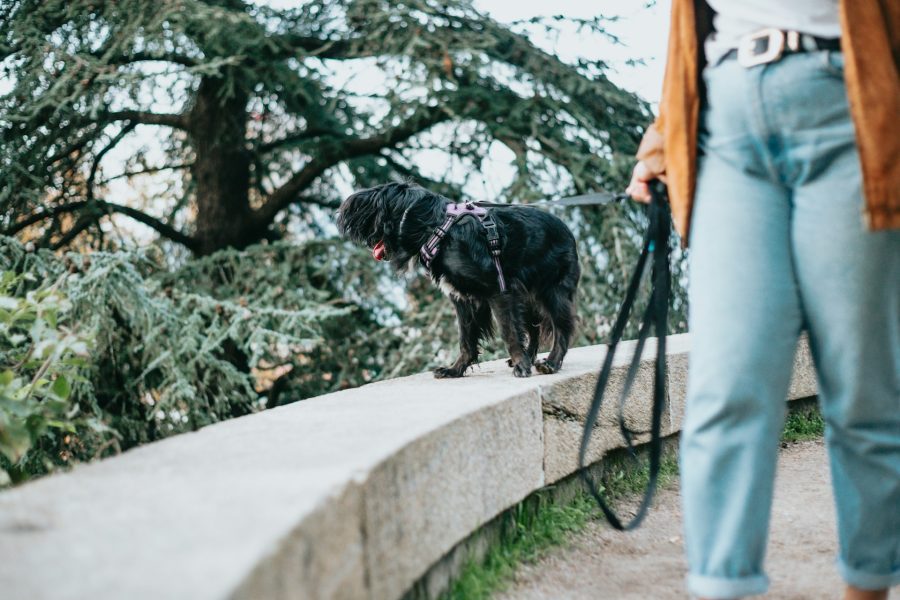
Transform Daily Walks with the Right Harness
Walking a dog that pulls can turn a simple outing into a full-body workout you did not sign up for. Sore shoulders, wrapped-up leashes, and sudden lunges near traffic or crowded sidewalks are stressful and can feel unsafe, especially along busy Seattle streets and neighborhood hills. When pulling becomes the norm, both you and your dog may start to dread what should be one of the best parts of the day.
The right no-pull harness can change that dynamic. By giving you gentler control and keeping pressure off your dog’s neck, a well-fitted design can support calmer, safer, more enjoyable walks. At The Pet Care Club of Seattle, we focus on enrichment-based, force-free dog walking in Seattle, so we care a lot about tools that keep dogs comfortable both physically and emotionally.
In this article, we will walk through why dogs pull, what different no-pull styles do, how to fit and introduce new gear, and simple training strategies that help your dog learn better leash manners. Our goal is to help you choose equipment that supports your dog’s body and your relationship, not just something that stops pulling in the moment.
Why Some Dogs Pull and How a Harness Helps
Many dogs are not trying to be stubborn on leash. Often, they just move faster than we do. They are excited to explore, sniff, and greet, especially in stimulating environments like Seattle’s parks, waterfront paths, and neighborhood trails. Some breeds are built to move with power and endurance, so a casual stroll feels painfully slow to them.
Other common reasons for pulling include lack of leash training, inconsistent expectations from different handlers, and nervousness or reactivity around other dogs or people. If a dog has a long history of pulling and still getting to where they want to go, that habit is strongly reinforced.
Traditional collars can add to the problem. When a dog pulls into a flat collar or, even more concerning, a choke or prong-style tool, pressure concentrates on a small area of the neck. That can be especially uncomfortable or risky for:
- Small dogs
- Brachycephalic breeds with shorter snouts
- Dogs with a history of coughing, trachea issues, or neck sensitivity
Retractable leashes can encourage constant tension too, because the dog has to pull to get more line. This can teach them that a tight leash equals progress.
A thoughtfully designed no-pull harness changes how force is distributed. Instead of pressure on the throat, the load spreads across the chest and shoulders, which are better suited to bear it. A front-clip design can also gently turn your dog’s body back toward you when they pull ahead, giving you more control without relying on pain or fear.
It is important to remember that gear is not magic. A harness is a management tool that works best when paired with consistent, reward-based training and realistic walking habits. When we combine better equipment with clear communication, dogs can learn to walk more comfortably by our side.
Key Features to Look for in a No-Pull Harness
With so many options, it helps to know which features matter most for comfort and safety during everyday dog walking in Seattle.
Comfort and fit come first.
- Soft, padded straps that do not dig into the skin
- Adjustable points at the neck and chest for a snug but not tight fit
- A Y-shaped front that leaves the shoulders free to move naturally
- A cut that avoids rubbing behind the front legs
This kind of design supports healthy movement over varied terrain like hills, sidewalks, and park paths, especially on long or frequent walks.
Safety and durability should be next on your list. Sturdy hardware, secure buckles, and quality stitching help prevent gear failures at awkward moments, like when a squirrel darts past. Reflective accents can make you and your dog easier to see on dark, rainy mornings or evenings that are so common in the Pacific Northwest.
Leash attachment options also matter:
- Front-clip: good for redirecting pullers and supporting training
- Back-clip: great for dogs that already walk politely or for casual strolls
- Dual-clip: offers flexibility and extra control when needed
Finally, consider ease of use. Some styles go over the head, others are step-in. If your dog is wiggly, nervous about equipment, or handled by multiple people, you will want something that is quick to put on and hard to tangle.
Popular No-Pull Harness Styles and How They Compare
Front-clip no-pull designs place the leash attachment on the dog’s chest. When your dog surges ahead, the leash angle gently turns them back toward you, making pulling less effective and paying attention more rewarding. These are often a great choice for teaching loose-leash skills, though very strong or highly reactive dogs may still need additional training support.
Dual-clip options have both a front and a back attachment and are often used with a double-ended training leash. Clipping to both points can give you balanced control over your dog’s shoulders and center of gravity. This can feel especially helpful on busy urban sidewalks, popular trails, or near traffic where quick, gentle redirection is important.
Back-clip and step-in designs can be wonderful for calmer, trained walkers. They generally feel simple and comfortable for dogs, and many pet parents like how easy they are to put on. For strong pullers or energetic puppies, however, a back-clip alone may not offer enough management, since it can actually allow the dog to lean into the pull more like a sled dog.
There are also specialty designs made for deep-chested dogs, tiny breeds, or adventure hiking. These can offer better coverage, extra adjustment points, or additional safety features. Because each dog’s body shape and behavior are unique, a personalized fitting approach, ideally with guidance from a pet professional, can help you narrow down choices.
How to Fit and Introduce a New Harness the Right Way
Good gear only works if it fits correctly. To start, measure your dog’s girth (around the widest part of the ribcage) and, if needed, the chest or neck where straps will sit. Use the manufacturer’s size chart as a starting point, then adjust until:
- You can slide two fingers comfortably under each strap
- The harness does not shift excessively when your dog moves
- There is no rubbing at the armpits, shoulders, or sternum
Watch your dog walk and turn to be sure their gait looks natural and their breathing is easy.
Introducing new gear slowly can prevent resistance. Set the harness on the floor, let your dog sniff it, and pair it with small, tasty treats. Practice putting it on for a few seconds indoors, reward, then take it off. Build up to wearing it around the house before heading out for a full walk.
Before every outing, do a quick safety check. Confirm that buckles are clipped, straps are snug, and hardware looks secure. Make sure tags and ID are attached to either the harness or a collar. Then, during the walk, keep an eye out for any chafing or changes in your dog’s movement.
From the first day, reward what you want to see. Give treats or praise when the leash is loose, and keep the pace comfortable for your dog so they are not forced to drag you to move at a speed that feels natural.
Training Tips to Pair with Your Dog’s New Harness
Even the best no-pull design works best when paired with simple, consistent training. Some helpful loose-leash exercises include:
- Rewarding your dog for walking beside you or checking in with eye contact
- Using a “let’s go” cue to invite movement, then treating when your dog follows
- Stopping or calmly changing direction when the leash tightens, and moving again when it relaxes
Rewards do not always have to be food. On dog walking routes in Seattle, you can use real-life rewards like sniff breaks, exploring a new side street, or greeting a friendly neighbor as payment for calmer walking. The key is timing those rewards for the moments your dog is not dragging you.
Progress with strong pullers is often gradual. Patterns built over months or years take time to shift. Some dogs will benefit from extra help if they are very anxious, easily overwhelmed, or reactive to other dogs, bikes, or people. In those cases, enrichment-focused dog walking in Seattle and positive training support can help your dog feel safer and more in control, which often reduces pulling.
Confident, more comfortable walks start with one thoughtful choice about your dog’s gear, then grow through many small, rewarding moments together. With patience, clear communication, and humane tools, daily walks can become something you both truly look forward to.
Give Your Dog Enriching Walks They’ll Look Forward To
If you are ready to see what a difference dedicated, professional walks can make, let The Pet Care Club of Seattle be your dog’s new favorite part of the day. Our tailored dog walking in Seattle is designed to match your pup’s energy, personality, and routine. We handle the details so you can enjoy the peace of mind that comes with a happy, relaxed, well-exercised dog. Reach out today so we can build a walking schedule that fits both your life and your dog’s needs.