

Help Your Dog Thrive on Enrichment Walks This Spring
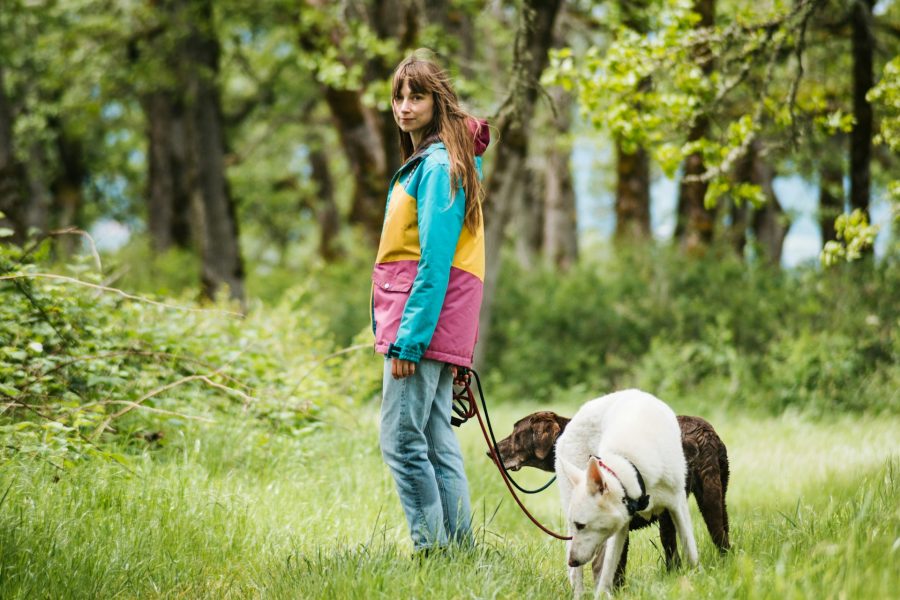
Enrichment-focused dog walking is all about your dog’s brain and emotions, not just their legs. Instead of a quick potty break or a race to hit a certain number of steps, these walks slow things down so your dog can sniff, explore, think, and feel safe. The goal is a calmer, happier dog who comes home relaxed, not wired.
In Seattle, late spring often means more daylight, busier sidewalks, crowded parks, and so many new scents after the rain. That can be wonderful and also a little overwhelming for dogs. When we plan ahead at home, set clear goals, teach simple consent cues, and practice follow-up training, enrichment-focused walks can feel easier and more rewarding for both you and your pup.
Clarify Your Dog’s Enrichment Goals Before You Book
Every dog has different needs. A young puppy might need short walks with lots of sniffing and quiet social exposure. A senior dog might need gentle movement and time to check out familiar smells. A shy dog might need space from strangers, while a social butterfly might enjoy saying hello to people who ask first.
Some common enrichment goals you can think about are:
- Building confidence in new places or around new sounds
- Practicing calm behavior near triggers, like skateboards or other dogs
- Sniffy decompression after a long day inside
- Strengthening loose-leash walking skills in real-life
- Channeling high energy into purposeful activities
Before you book with an enrichment-focused dog walking service, it helps to write down a clear picture of your dog. Include things like:
- Behavior history, such as any past reactivity, fear, or big changes
- Current daily routines, like feeding, play, and nap times
- Known triggers, such as bikes, loud trucks, kids, or certain dogs
- Preferred activities, like sniffing, light jogging, treat searches, or quiet park time
When dog walkers know your dog’s true goals and quirks, they can shape each walk for your individual dog instead of following a one-size-fits-all plan.
Teach Simple Consent Cues for Low-Stress Walks
Consent cues are small invitations we give our dogs so they can “say yes” to what is happening. This might sound fancy, but it is really simple. It could be asking “Ready?” before putting on walking gear, or “Can I wipe your paws?” before touching their feet. When dogs feel like they have a say, they tend to relax and cooperate more.
You can start with a few easy consent routines at home:
- Getting walking gear on: Say a cue like “Ready?” and then hold the collar or harness open. If your dog steps toward you or pokes their head through, that is a “yes.” If they turn away, pause and try again later with treats and patience.
- Paws after rainy walks: Before touching paws, say “Paws?” and offer your hand or towel. Reward tiny steps, like your dog placing a paw near the towel, instead of forcing it.
- Moving toward the door or elevator: Ask “Want to go?” and walk a step toward the door. If your dog comes with you, great. If they hang back, you might need to slow down or rethink how exciting or stressful walks feel for them.
Respecting your dog’s “no” is just as important as hearing their “yes.” Turning away, freezing, lip licking, yawning out of context, or moving to their bed are all signs that they may not be comfortable. When you and your walker respond to those signals, your dog learns that their feelings matter. This builds trust and makes it easier for professional walkers to read your dog’s body language and adjust the walk on the fly.
Build a Calm Pre-Walk Routine for Busy Seattle Days
When doorbells ring, apartment hallways echo, and street noise picks up, many dogs get overexcited before the walk even starts. A short, predictable pre-walk routine helps your dog shift from “wild” to “ready” so they can enjoy enrichment instead of spinning out.
A simple 5- to 10-minute pre-walk ritual might look like this:
- Quick potty break in your yard or a quiet corner if needed
- One to two minutes of a sniff game, like scattering a few treats on a mat or towel
- Calmly putting on gear, rewarding your dog for standing still or sitting
- Practicing “wait” at the door while you slowly open it a crack at a time
- Rewarding any calm choices, like soft eyes, loose body, or sitting instead of jumping
In Seattle, it can help to keep a towel by the door for muddy paws and wet bellies. Take a brief look for grass seeds, foxtails, or itchy spots, especially in late spring when plants are growing fast. You can also plan walk routes ahead of time so you avoid the most crowded parks during peak weekend hours, giving your dog more chances for relaxed exploration.
Support Enrichment Walking with Training at Home
Enrichment-focused dog walking does not start and end at the front door. The skills your dog uses on these walks grow stronger when you practice in small doses at home. It does not need to be a long training session. Short, fun moments add up.
Here are a few easy habits to weave into your week:
- Loose-leash walking: Practice in a quiet hallway, driveway, or side street. Reward your dog often for walking near you on a loose leash, even for two or three steps at a time.
- Recall games indoors: Call your dog cheerfully from one room to another, then give a treat or play a quick game when they come. A strong recall indoors makes outdoor recall practice less stressful later.
- Rewarding check-ins: On calm neighborhood strolls, quietly mark and reward when your dog looks up at you on their own. These small check-ins help your dog stay tuned in when the world gets more exciting.
When your dog gets both structured enrichment walks and small, regular training moments at home, deeper behavior changes are more likely. You may start to see more focus around distractions, less reactivity, and a dog who can settle faster after a big day out.
Turn Today’s Walks Into Lifelong Learning Adventures
You do not need to change everything at once to support enrichment-focused dog walking. Start with one small shift this week. You might choose a simple consent cue for gear, build a short pre-walk routine, or write out your dog’s top two or three enrichment goals.
Over time, these small pieces link together. Clear goals, consent-based handling, calm rituals, and easy at-home games all support the work that enrichment walkers do out on the sidewalks and trails. With a bit of planning, daily walks can turn into safe, engaging learning adventures that fit your dog’s unique needs and the busy Seattle urban environment.
Give Your Dog a Happier, More Engaged Walk Today
If you are ready to see your dog come home relaxed, satisfied, and mentally fulfilled, our enrichment-focused dog walking is designed just for them. At The Pet Care Club of Seattle, we tailor each outing to your dog’s energy level, personality, and comfort. We combine physical exercise with sniffing, problem-solving, and choice-based activities so your dog enjoys more than a simple stroll. Reach out today so we can personalize an adventure that fits your dog’s needs and your schedule.