


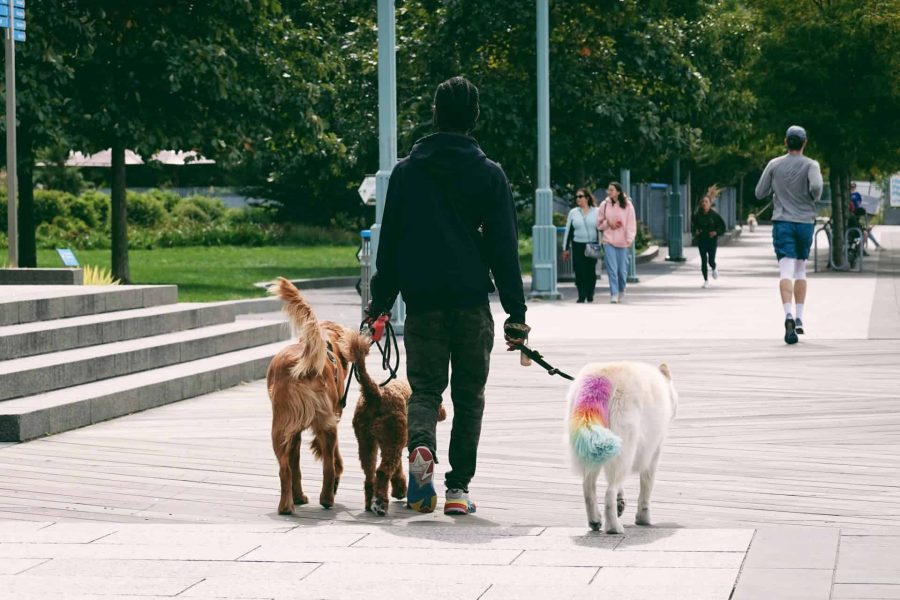
Everyday Moments That Shape Your Pet’s Confidence
Confidence in dogs and cats is not just something they are born with; it is something that grows or shrinks based on what happens to them every day. From how the leash is clipped on, to who approaches them on the sidewalk, to what happens when guests visit, your pet is constantly deciding, “Is my world safe?” Those small decisions stack up over time and shape how brave or worried they feel.
We think of “positive experiences” very simply: they feel safe, predictable, and rewarding to your pet. That might look like calm, low-stress walks, gentle handling during nail trims, or a quiet cat visit where hiding is respected. At The Pet Care Club of Seattle, we use behavior-focused walking, training, and in-home care to turn these regular routines into confidence-building practice, especially through enrichment-focused dog walkers and thoughtful in-home visits.
In this article, we will share how confidence and fear show up in body language, how safe exploration works, why novelty and enrichment are so powerful, and how consistency helps everything stick. Our goal is to help your dog or cat feel secure and capable, even with the busy sounds and surprises of city life.
Confidence vs. Fear: What Your Pet’s Body Language Tells You
A confident dog or cat is not necessarily loud or outgoing. In behavior terms, confidence usually looks like a loose, relaxed body, normal breathing, and curiosity about what is going on. You might see soft eyes, easy tail movements, comfortable sniffing, or a pet who startles at a sudden noise but recovers quickly and goes back to exploring.
Fear and anxiety look very different. Common signs include a tucked tail, flattened ears, hiding, freezing in place, or trying to pull away. Dogs may show stress panting, lick their lips a lot, or refuse treats they would normally love. Cats may crouch low, puff up, hiss, or stay glued to a hiding spot even when things have calmed down.
When fearful experiences pile up, pets can learn that the world is unsafe. Chaotic walks, rough or rushed handling, and overwhelming dog parks can all teach them that they have to be on guard all the time. Instead of learning, they are just coping. Over time, this can turn into reactivity, avoidance, or shutdown.
This is where enrichment-focused dog walkers and in-home pet pros make a real difference. We aim to keep pets “under threshold,” meaning they notice what is happening but are not so stressed that they cannot think, eat, or play. We carefully choose routes, distances, and activities so your pet can process and feel good about new experiences instead of getting pushed past their limit. Building confidence is not about “toughening up” a scared pet; it is about giving them a steady pattern of safe, successful experiences.
Safe Exploration at Your Pet’s Own Pace
For dogs, safe exploration usually starts with the walk itself. That might mean choosing quieter streets instead of the busiest routes, letting the dog sniff instead of rushing from corner to corner, and approaching new sights and sounds slowly. If a loud truck passes or a skateboard appears, we may pause, create gentle distance, offer treats, and let the dog decide whether to watch, sniff, or move away.
Cats and small pets explore differently, especially during in-home visits. Safe exploration often means having hiding spots, access to high perches, and gradual introductions to new rooms, people, or toys. Instead of pulling a shy cat out from under the bed, we might sit nearby, speak softly, and let them peek out and retreat as they choose. That control makes a huge difference.
We rely heavily on the principle of choice and control. When pets are allowed to move away, take breaks, and investigate at their own speed, they learn that their choices matter and that they can keep themselves safe. This sense of control is a powerful confidence booster.
On our walks and visits, we see this play out in small but meaningful ways. A shy rescue dog might start by watching a busy bus stop from a comfortable distance while enjoying treats, then over several outings move a bit closer, until one day they can calmly walk by. A nervous cat might start out hiding during visits, then, after being allowed to hide without pressure, begins to appear in the doorway, and eventually chooses to greet the sitter at the door.
Our behavior-focused team is trained to notice subtle stress signals like lip licking, half-moon eyes, tail position changes, or slight freezing. We adjust our distance, pace, and activities on the spot so exploration stays within the pet’s comfort zone instead of tipping into fear.
Novelty and Enrichment: Turning the World Into a Confidence Course
Enrichment is simply giving pets safe, structured ways to use their natural behaviors. For dogs, that might mean sniffing, chewing, chasing, or problem-solving. For cats and small pets, it might be stalking, climbing, pouncing, or foraging. When these instincts have an outlet, pets tend to be calmer and more satisfied.
Gentle novelty is a key part of enrichment. New smells, textures, puzzles, and games teach pets that “new” can be interesting and fun, especially when it comes with tasty treats or play. The goal is not random excitement, but thoughtful variety.
Our enrichment-focused dog walkers might:
- Take a “sniff walk” on a slightly different block with lots of scent opportunities
- Turn a park bench into a mini obstacle course with simple step-ups and downs
- Calmly watch other dogs from a distance while pairing the sight with treats
- Use short training games at quiet corners to keep the brain engaged
During in-home visits, we might offer:
- Food puzzles for cats to “hunt” their meals
- Hide-and-seek treats around safe areas of the home
- Paper bag or wand toy “prey” play for cats who like to stalk and pounce
- Quiet training games or foraging activities for shy dogs and small pets
The key is that enrichment is planned, not chaotic. We want novelty that stretches a pet’s comfort zone just a little, then backs it up with safety and reward. Over time, these small successes add up, and pets become more resilient in real-world situations.
Why Consistency Makes Confidence Stick
The animal brain loves patterns. When the same calm, kind, predictable responses happen again and again, pets relax because they know what is coming next. That predictability makes it much easier for them to be brave when something new appears.
Consistent routines give pets an anchor. Regular walk times, familiar routes with small, planned changes, predictable feeding and play schedules, and clear, repeated training cues all help. Instead of guessing how a person will respond, the pet learns, “When I see another dog, we do this,” or “When I want space, this behavior works.”
At The Pet Care Club of Seattle, our team-based approach is built around this kind of consistency. Walkers and sitters share notes, use the same cues, and agree on handling methods and goals for each pet. So if a dog gets a treat and extra distance every time they spot another dog, that pattern becomes deeply reassuring. The dog starts to look to their person or walker for guidance instead of reacting on their own.
We see similar changes with cats. A formerly skittish cat who always has their hiding spot respected and always gets the same calm greeting begins to believe that people are predictable and safe. That is the foundation of trust.
Confidence is built in layers over time. One brave moment does not change everything, but a hundred small, positive experiences, delivered consistently, can. This is how a worried pet slowly becomes one who can handle surprises without falling apart.
Bringing It Home: Simple Ways to Build Your Pet’s Confidence
You do not have to change everything at once to support your pet. Small, thoughtful choices in daily life can make a real difference, especially when you pair them with help from enrichment-focused dog walkers and behavior-aware in-home care.
A few simple places to start include:
- Introduce new people, places, and objects slowly and at your pet’s pace
- Reward curiosity with treats, play, or gentle praise when your pet checks something out
- Honor your pet’s choice to move away, hide, or take a break when they feel unsure
- Keep routines as steady as you reasonably can, especially around walks and meals
- Work with professionals to build a plan that fits your pet’s age, history, and personality
Even timid, reactive, or very sensitive pets can grow more secure when their days are filled with safe exploration, thoughtful enrichment, and consistent, positive support. With patience, empathy, and the right team on their side, your dog or cat can learn that their world is not something to fear, but something they are capable of handling.
Give Your Dog Enriching Walks That Truly Tire Body and Mind
If you are ready to turn routine walks into engaging adventures, our enrichment-focused dog walkers are here to help. At The Pet Care Club of Seattle, we tailor every outing to your dog’s age, energy level, and unique personality. We combine movement, sniffing, and training games so your dog comes home calmer, happier, and more fulfilled. Reach out today to schedule your first adventure and see the difference thoughtful enrichment can make.