


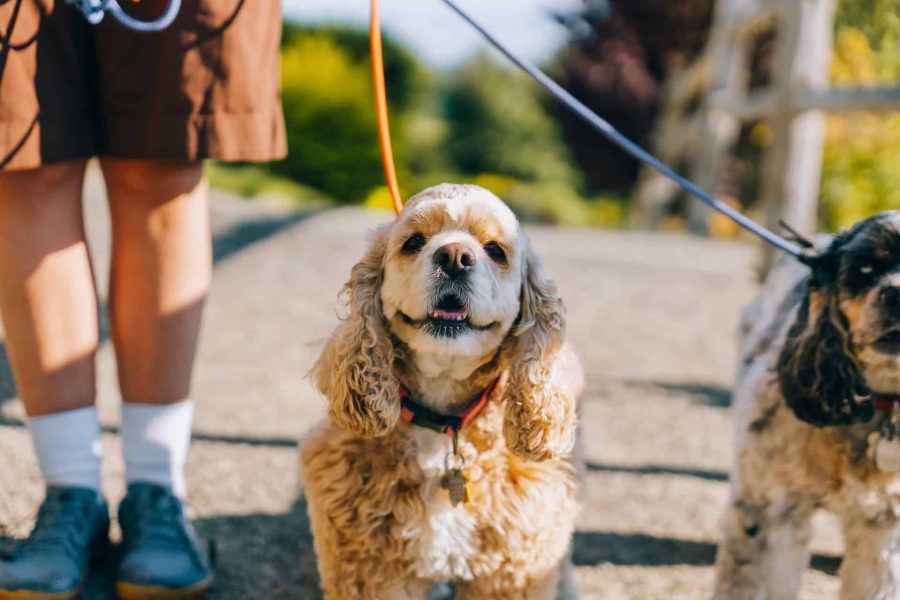
When a Walk Around Edmonds Becomes Life-Changing Care
Dog walking in Edmonds can be so much more than a quick lap for a bathroom break. With the right plan, a simple walk turns into gentle training, confidence practice, and real mental rest for your dog. Shy, overexcited, or unsure dogs can change a lot when every step outside is set up to feel safe and rewarding.
At The Pet Care Club of Seattle, we focus on enrichment, not just exercise. That means we shape each walk around your dog’s age, personality, and comfort level. In this article, we will share how thoughtful walks can grow confidence, lead to calmer behavior at home, and build a stronger bond between you and your dog, especially as life gets busier in late-summer and into fall.
Why Confidence Matters More Than Endless Exercise
Many people hope that a long walk will fix barking, leash pulling, or zoomies at night. Extra exercise can help, but a worn-out dog is not always a calm or happy dog. If a dog is pushed too hard, or flooded with fast-moving sights and sounds, that dog may end up more stressed, not less.
Confidence is what helps a dog feel safe in the world. A confident dog is better able to handle surprises and then settle again. That confidence can support:
- Less leash reactivity, because the dog can look to their person or walker instead of exploding at every trigger
- Easier goodbyes, which means less separation stress when people leave the house
- Softer greetings, instead of jumping, mouthing, or barking at guests and dogs
Dog walking in Edmonds gives lots of chances to practice these skills. The environment can change from quiet side streets to noisier areas with ferries, traffic, and construction sounds. When we meet those things with care and structure, your dog learns, “I can hear or see this, and I am still safe.”
That growing confidence pays off when routines shift. As families move toward back-to-school, longer workdays, or more social plans, dogs often face:
- Longer stretches of alone time
- New people coming and going
- Changes in walk times and feeding schedules
A dog who has practiced coping skills on walks will usually handle those changes with less worry and faster recovery.
Turning Edmonds Streets Into a Learning Playground
Edmonds is full of natural training spots if we slow down and use them well. We like to think of the streets, parks, and paths as one big learning playground where we can match the route to each dog’s current comfort level.
Some options might include:
- Quiet neighborhood loops for nervous or younger dogs
- Waterfront paths with more open space and interesting smells
- Busier downtown routes for dogs who are ready for more real-life practice
On these walks, a professional walker can turn everyday moments into simple games. For example, your dog might:
- Practice loose-leash walking as they move toward something they want to sniff
- Offer a “check-in” with eye contact when a bike passes, and earn a small reward
- Step to the side and wait calmly as another dog walks past
We also like to use controlled novelty, especially in late summer, when more kids might be out playing or walking home from camps and activities. That could look like taking a new route with only one or two new sights, such as:
- A quiet block where a bus passes in the distance
- A sidewalk with a few more strollers or delivery carts
- A slightly busier corner where we can stand farther away and observe
The key is pacing. With short training moments, plenty of sniff breaks, and pauses in quieter areas, dogs get to process what is happening instead of feeling flooded.
Gentle Social Confidence for Puppies and Sensitive Dogs
Puppies and sensitive dogs need extra care with all of this. Their walks should feel short, sweet, and full of small wins, not marathons. For them, dog walking in Edmonds is less about distance and more about safe social learning.
For puppies, we often mix:
- Quick potty breaks
- Micro socialization moments, like watching people from a distance
- Light handling practice, such as gentle leash work or touching harness clips
Seasonal distractions, such as outdoor gatherings, kids playing in yards, or more buses on the roads, can be scary or thrilling. We aim to pair those sights and sounds with calm routines and basic cues. Simple skills like sit, wait, or “let’s go” help the dog predict what comes next and feel more secure.
Shy adult dogs need a similar approach. Slow exposure, clear patterns, and kind feedback help them feel supported instead of forced. We also like to coordinate with guardians on home goals such as:
- Calm greetings when people enter the house
- Polite elevator behavior in apartment buildings
- Relaxing in a crate or on a bed after walks
When the same skills are used both outside and inside, dogs usually gain confidence faster, because the world feels more consistent to them.
Inside a Confidence-Building Walk with the Pet Care Club
So what does a confidence-building walk actually look like from start to finish? While every visit is customized, there are patterns we like to follow.
First, we arrive and read the dog’s body language. Are they wiggly and bright, or a bit slow and unsure today? Based on that, we choose a route, length, and pace that matches their mood and energy level instead of following a rigid plan.
A structured walk may include:
- Warm-up sniffing near home to lower arousal before heading farther out
- Short bursts of focused training, like name response, “let’s go,” or pausing at curbs
- Decompression time in a quieter area, maybe a side street or small green space
- A calm return to the house, ending with a simple cue and a peaceful goodbye
Throughout the walk, we pay attention to patterns. Did the dog startle at skateboards but recover quickly after a treat and a little distance? Did they walk calmly past a barking dog behind a fence for the first time? These details matter.
We record observations about:
- New or repeating triggers
- Wins and small breakthroughs
- Skills that felt easy and ones that need more support
Then we adjust future walks, in-home pet sitting plans, or puppy development visits as needed so the dog keeps building on success instead of staying stuck at the same stress points. When services are layered together on a regular schedule, dogs get even more stability, because the approach stays consistent whether their people are home, at work, or traveling.
Bring Out Your Dog’s Bravest Self in Edmonds
Dog walking in Edmonds has so much potential when it is guided by enrichment and confidence instead of just burning energy. With a thoughtful plan, your dog can learn to stroll past new sounds, recover from surprises, and come home ready to relax instead of spiral up.
At The Pet Care Club of Seattle, we believe every walk is a chance for a dog to practice feeling safe, capable, and connected. With patient, enrichment-focused care, even everyday streets can help bring out your dog’s bravest self.
Give Your Edmonds Dog Enriching Walks They’ll Love
Let The Pet Care Club of Seattle give your pup safe, engaging outings that fit their energy level and routine. Our professional walkers focus on exercise, mental stimulation, and consistent care so you can feel confident while you are away. Explore our customizable options for dog walking in Edmonds and choose the schedule that works best for your family. Book your first walk today so your dog can start enjoying happier, healthier adventures.